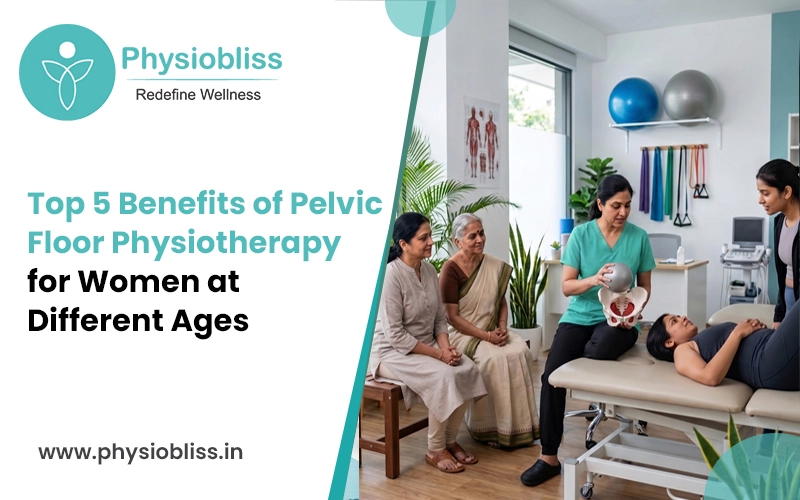
A woman’s body undergoes several changes throughout life. From adolescence to pregnancy to menopause and beyond. During these stages, the pelvic floor muscles play a major role in supporting bladder control, core strength, posture, and overall well-being. However, these muscles are often overlooked until discomfort or symptoms begin to appear. Pelvic floor physiotherapy is a safe and effective way to improve pelvic health, manage pain, and support women through different life stages. Whether you’re a young adult, a new mother, or approaching menopause, pelvic floor care can make a significant difference in your quality of life.
At Physiobliss, a renowned physiotherapy clinic in Vadodara, pelvic health programs are designed to support women with personalised physiotherapy, movement-based therapies, and wellness-focused care.
What is Pelvic Floor Physiotherapy?
The pelvic floor is a group of muscles that support the bladder, uterus, and bowel. These muscles also help with posture, stability, and core control. Pelvic floor physiotherapy focuses on assessing and improving the strength, coordination, and flexibility of these muscles through guided exercises, manual therapy, breathing techniques, and lifestyle support.
It can help women experiencing:
- Urinary leakage
- Pelvic pain
- Postpartum weakness
- Lower back pain
- Pain during movement or exercise
- Core instability
Top 5 Benefits of Pelvic Floor Physiotherapy for Women at Different Ages
#1 Improves Bladder Control & Prevents Leakage
One of the most common reasons women seek pelvic floor physiotherapy in Vadodara is urinary leakage. This can happen during coughing, sneezing, exercising, or even laughing. Weak pelvic floor muscles are often linked to:
- Pregnancy and childbirth
- Hormonal changes
- Aging
- High-impact activities
Pelvic floor physiotherapy helps strengthen these muscles and improve bladder control naturally without relying solely on medications or invasive treatments. Women of all ages can benefit from early pelvic floor training to prevent symptoms from worsening over time.
#2 Supports Pregnancy & Postpartum Recovery
Pregnancy places significant pressure on the pelvic floor and surrounding muscles. After childbirth, many women experience weakness, discomfort, or reduced core strength.
Pelvic floor physiotherapy can help:
- Improve muscle recovery after delivery
- Reduce pelvic pain
- Support core stability
- Improve posture and movement
- Aid recovery from C-sections or vaginal births
At Physiobliss, women may also benefit from supportive therapies like Yoga and Pilates in Vadodara, which can gently improve flexibility, breathing, posture, and strength during pregnancy and postpartum recovery.
#3 Reduces Pelvic Pain & Discomfort
Pelvic pain is more common than many women realise, yet it often goes untreated. Tight or imbalanced pelvic floor muscles can contribute to discomfort in the lower abdomen, hips, lower back, or pelvic region.
Pelvic floor physiotherapy helps by:
- Releasing muscle tension
- Improving mobility
- Correcting posture and movement patterns
- Restoring muscle coordination
Women dealing with chronic pelvic pain, painful periods, or discomfort during physical activity may notice significant improvement with targeted therapy and guided movement programs.
#4 Improves Core Strength & Posture
The pelvic floor works closely with the core muscles, diaphragm, and lower back. When pelvic floor muscles are weak or tight, it can affect posture, balance, and overall body stability.
Pelvic floor physiotherapy can help strengthen the body from within, improving:
- Core control
- Postural alignment
- Stability during movement
- Lower back support
This is especially important for women who spend long hours sitting, experience recurring back pain, or are returning to exercise after pregnancy. Movement-focused therapies like Pilates can also complement physiotherapy by improving controlled strength and body awareness.
#5 Supports Women During Menopause & Ageing
Hormonal changes during menopause can weaken pelvic floor muscles and increase the risk of:
- Bladder leakage
- Pelvic organ prolapse
- Reduced muscle tone
- Pelvic discomfort
Many women assume these symptoms are simply part of ageing, but pelvic floor physiotherapy can help manage and improve them. Regular therapy and guided exercise programs can support better mobility, confidence, and comfort as women age. Low-impact wellness practices like Yoga can also help improve flexibility, relaxation, and overall physical well-being during this stage of life.
Wrapping Up
Pelvic floor physiotherapy is not only for postpartum recovery or older adults. It can support women through every stage of life by improving strength, reducing discomfort, and enhancing overall well-being.
At Physiobliss, our best physiotherapist in Vadodara emphasises that women’s health is approached with personalised care and long-term wellness in mind. Along with pelvic floor physiotherapy, supportive therapies like Yoga, Pilates, rehabilitation exercises, and movement-based programs can help improve strength, mobility, posture, fitness, and overall quality of life. To learn more about women’s wellness services, pelvic floor physiotherapy, Yoga, Pilates, and rehabilitation support, visit Physiobliss.